Postpartum Hives and Severe Itching: 5 Recovery Mistakes and How to Soothe Post-Birth Rashes
Covered in red, burning, itchy welts after giving birth? Discover why postpartum urticaria happens, hormonal triggers, safe antihistamines for breastfeeding, and soothing remedies.
Sarah Collins
Mom of Two & Founder of Mommy Tips & Life

Google AdSense Placeholder
Slot ready for "header-banner". Set your AdSense publisher ID in settings when approved.
🩺 Medical Disclaimer: This guide is for educational purposes and should not replace pediatric or obstetric medical consultation.
🛍️ Affiliate Disclosure: We may earn a small commission when you purchase through our links at no extra cost to you.
It was 3:15 AM on day six postpartum. I was sitting in our nursing glider in the dark, feeding my daughter Maya, when a bizarre tingling sensation began on the tops of my thighs. Within twenty minutes, the tingling escalated into an unbearable, burning fire.
I stumbled into the bathroom, flicked on the mirror light, and gasped in horror. My abdomen, thighs, arms, and back were covered in giant, raised red welts that looked like a swarm of angry jellyfish stings. The itching was so intense it felt bone-deep—a maddening, torturous sensation that made sitting still impossible. I sat on the bathroom floor pressed against cold porcelain tile, clutching ice packs to my burning skin, sobbing from sheer physical and emotional exhaustion.
I was terrified I had developed a life-threatening blood infection or an allergic reaction to my prenatal vitamins. Why was my own body attacking me right when I needed to care for my newborn?
The Upfront Breakthrough Summary: The turning point occurred when my OB-GYN and an allergist explained that postpartum hives (acute postpartum urticaria) are a relatively common, often unspoken immune reaction. When the placenta delivers, maternal estrogen and progesterone plummet off a physiological cliff, causing the immune system to “rebound” and trigger widespread mast cell degranulation (a massive flood of histamines). By adopting a 3-step soothing protocol—taking lactation-safe second-generation antihistamines, using lukewarm colloidal oatmeal compresses, and supporting liver detoxification through electrolyte hydration—my burning hives calmed within 48 hours and vanished completely in two weeks.
The Hormonal Cliff: Why Your Skin Erupts After Birth
During pregnancy, a woman’s immune system is naturally suppressed to prevent her body from rejecting the growing baby. Immediately following delivery, that suppression lifts rapidly.
       ┌────────────────────────────────────────────────────────┐
       │             THE POSTPARTUM HISTAMINE SURGE             │
       ├──────────────────────────┬─────────────────────────────┤
       │ 1. The Hormonal Cliff    │ 2. Immune System Rebound    │
       │ Estrogen & progesterone  │ T-cell activity surges,     │
       │ drop by >90% in 72 hours │ increasing mast cell        │
       │                          │ sensitivity across the body │
       ├──────────────────────────┴─────────────────────────────┤
       │ 3. Mast Cell Degranulation                              │
       │ Mast cells release massive histamine floods into the   │
       │ dermis ➔ Blood vessels dilate ➔ Red, itchy welts erupt │
       └────────────────────────────────────────────────────────┘
This sudden endocrine shift, compounded by the extreme physical stress of labor, sleep deprivation, and lingering IV medications (pitocin, epidural anesthetics, NSAIDs), creates a perfect storm for mast cells to misfire and release histamine into your skin.
1. Taking Scalding Hot Showers to “Relieve” the Itch
When your skin is itching uncontrollably, stepping into a steaming hot shower can provide a brief, intense sensation of relief. However, this is one of the most destructive mistakes you can make for postpartum urticaria.
   ❌ SCALDING HOT SHOWERS           ✅ LUKEWARM COLLOIDAL SOOTHE

     [Hot Water Dilates Capillaries]      [Cool/Lukewarm Water + Oatmeal]
                 |                                      |
     ➔ Triggers Massive Histamine Dump   ➔ Constricts Dermal Capillaries
     ➔ Skin Welts Double in Size         ➔ Forms Protective Soothing Barrier
     ➔ Rebound Itch 10x Worse            ➔ Shuts Down Mast Cell Degranulation
Why Heat Worsens Postpartum Hives:
Heat causes the peripheral blood vessels in your skin to vasodilate (widen), allowing more histamine-loaded blood to rush into the dermis. Furthermore, hot water strips away the protective lipid barrier, leading to severe moisture loss and intensified rebound itching.
The Safe Alternative:
- Take lukewarm or cool showers (under 10 minutes).
- Add 1 cup of 100% colloidal oatmeal to a lukewarm bath and soak for 15 minutes.
- Apply cold compresses or gel ice packs wrapped in soft cotton burp cloths directly onto flare-up hotspots.
💡 Pediatric / Mom Tip: Never scratch hives with your fingernails! Scratching causes micro-abrasions in the skin, introduces bacteria, and triggers the Koebner phenomenon (where physical friction causes brand new hives to erupt along the scratch lines). Instead, press the flat palm of your hand firmly against the itchy area.
2. Assuming All Antihistamines Dry Up Breast Milk Supply
Many nursing mothers suffer in agony because they have been told that allergy medications will instantly destroy their breast milk supply. While this is true for older first-generation decongestant blends (like Sudafed or high-dose Benadryl), it is NOT true for targeted modern antihistamines.
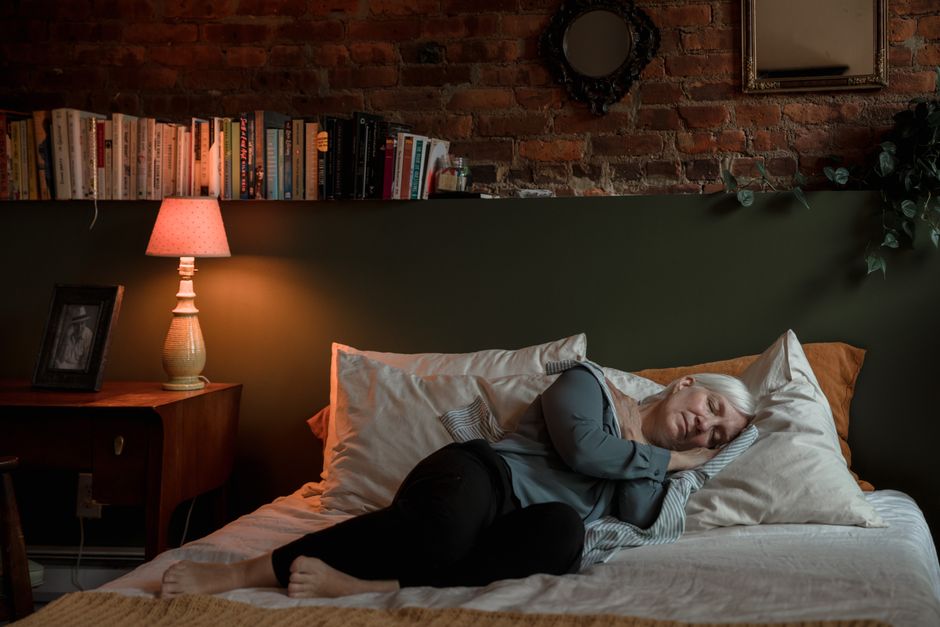
Lactation-Safe Antihistamine Comparison:
| Medication | Class 💊 | Safe for Breastfeeding? 🤱 | Milk Supply Risk ⚠️ | Sedation Risk 😴 |
|---|---|---|---|---|
| Loratadine (Claritin) | 2nd Generation | Yes (Preferred) ✅ | Extremely low risk | None / Non-drowsy |
| Cetirizine (Zyrtec) | 2nd Generation | Yes (Highly Effective) ✅ | Low risk | Mild in rare cases |
| Fexofenadine (Allegra) | 2nd Generation | Yes ✅ | Extremely low risk | None / Non-drowsy |
| Diphenhydramine (Benadryl) | 1st Generation | Short-term only | Can reduce supply if repeated | High infant & maternal sedation |
| Pseudoephedrine (Sudafed) | Decongestant | NO (Avoid) ❌ | Slashes supply by 25–40% | Agitation & wakefulness |
(Always consult your OB-GYN or midwife before initiating any medication during postpartum recovery).
3. Confusing Postpartum Hives with Thyroiditis or Infections
While hives are usually a benign reaction to hormonal fluctuations, it is crucial to rule out other serious postpartum conditions.
       ┌────────────────────────────────────────────────────────┐
       │             DIAGNOSTIC RED FLAG DIFFERENTIATION        │
       ├──────────────────────────┬─────────────────────────────┤
       │ Benign Postpartum Hives  │ Systemic Warning Signs 🚨   │
       ├──────────────────────────┼─────────────────────────────┤
       │ Raised, pink/red wheals  │ Lip, tongue, or throat      │
       │ Move around the body     │ swelling (Anaphylaxis)      │
       │ Intense localized itch   │ Fever >100.4°F, chills      │
       │ Normal vital signs       │ Rapid heart rate & tremors  │
       │                          │ (Postpartum Thyroiditis)    │
       └──────────────────────────┴─────────────────────────────┘
If your hives are accompanied by night sweats, extreme heart palpitations, or sudden tremors, review our clinical guide on postpartum thyroiditis symptoms vs exhaustion and explore the full checklist of postpartum recovery red flags to go to the ER.
⚠️ Warning Alert: If you experience any swelling of your lips, tongue, throat, difficulty breathing, dizziness, or difficulty swallowing, call 911 immediately. This is angioedema/anaphylaxis and requires urgent emergency medical care.
4. Slathering Scented Lotions and Heavy Petroleum Ointments
When hives appear, our natural instinct is to grab our favorite fragrant body lotions or thick cocoa butter creams. Unfortunately, heavily fragranced moisturizers contain alcohol, parabens, and synthetic perfumes that further irritate sensitized mast cells.
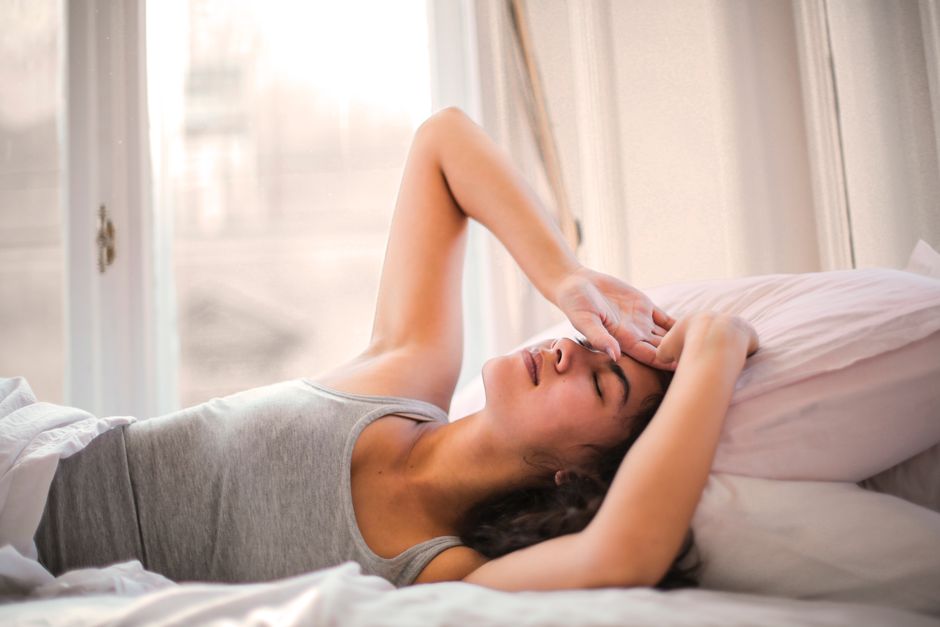
What to Use Instead:
- 1% Hydrocortisone Cream: Apply a thin layer to the most intense red wheals twice daily.
- Calamine Lotion: Excellent for cooling localized burning and drying out weeping skin.
- Pure Organic Aloe Vera Gel: Keep a bottle in the refrigerator for an instant, soothing anti-inflammatory glide.
- Ceramide Barrier Creams: Choose 100% fragrance-free barrier balms (like Vanicream or CeraVe) to restore the epidermal lipid barrier without clogging pores.
5. Summary: Postpartum Hives Mistakes vs. Soothing Protocols
| Common Mistake ❌ | Evidence-Based Recovery Alternative ✅ | Why It Works 💡 |
|---|---|---|
| Taking scalding hot showers for instant relief | Cool/lukewarm colloidal oatmeal baths | Calms dilated capillaries and prevents histamine dumping |
| Refusing all antihistamines out of milk fear | Taking doctor-approved 2nd-gen antihistamines | Blocks H1 receptors without diminishing milk supply |
| Scratching aggressively with fingernails | Applying cold gel packs and palm compression | Prevents skin breakdown and stops the Koebner flare effect |
| Applying heavily perfumed postpartum lotions | Using fragrance-free ceramide creams & aloe | Protects sensitive skin barrier from chemical irritation |
| Wearing tight synthetic leggings and nursing bras | Wearing loose, breathable 100% organic cotton | Eliminates mechanical pressure and friction triggers |
Final Thoughts From Sarah
Postpartum recovery is already an intense physical marathon without having to battle fiery, itchy hives all over your body. It is completely normal to feel frustrated, overwhelmed, and exhausted when your skin feels like it is on fire.
Give your body grace. Your immune system and hormones just accomplished the miraculous feat of growing and delivering a human being. With targeted antihistamine support, cooling compresses, and breathable cotton clothing, your skin will settle down and return to normal. You are strong, mama, and you are healing one day at a time!
Google AdSense Placeholder
Slot ready for "in-article". Set your AdSense publisher ID in settings when approved.
Frequently Asked Questions by Moms
What causes postpartum hives (urticaria) after giving birth? ▼
Postpartum hives are primarily triggered by the dramatic drop in pregnancy hormones (progesterone and estrogen), immune system 'rebound' shifts, acute physiological stress, dehydration, and lingering medications or anesthesia from labor and delivery.
Are antihistamines safe to take for hives while breastfeeding? ▼
Yes, second-generation non-drowsy antihistamines like Loratadine (Claritin) and Cetirizine (Zyrtec) are considered safe and compatible with breastfeeding by the AAP and InfantRisk Center because only minimal amounts transfer into breast milk without causing infant sedation.
How is postpartum urticaria different from PUPPP rash? ▼
PUPPP (Pruritic Urticarial Papules and Plaques of Pregnancy) typically begins in late pregnancy within abdominal stretch marks (sparing the belly button) and fades post-birth. Postpartum hives can erupt anywhere on the body days or weeks after delivery in migrating, raised wheals.
How long do postpartum hives typically last? ▼
Most acute postpartum hives resolve within 2 to 6 weeks as maternal hormones rebalance, immune function stabilizes, and labor medications completely clear the lymphatic and renal systems.

Written by Sarah Collins
Doctor-Reviewed & Fact-CheckedMom of Two & Founder of Mommy Tips & Life
Sarah is a mother of two (Liam & Maya) sharing evidence-based parenting guides, infant sleep solutions, and baby safety alerts tested in real family life and vetted against AAP clinical standards.
Google AdSense Placeholder
Slot ready for "footer-banner". Set your AdSense publisher ID in settings when approved.